

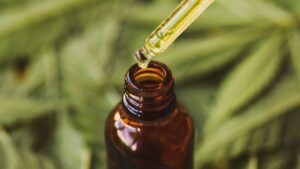
CBD is not psychoactive, meaning it does not produce the “high” commonly associated with cannabis use. At Simmrin Law Group, we have served thousands of clients facing legal issues involving controlled substances, and we understand how confusion around CBD can lead to serious consequences.
While CBD is widely available and often marketed as safe, the laws surrounding it are not always straightforward. Knowing the answer to “Is CBD psychoactive?”, how CBD works, and how it is regulated can help you avoid legal trouble.
At Simmrin Law Group, our Burbank drug crimes lawyers have served thousands of clients facing drug-related charges, and questions about CBD and its legal status come up more often than you might think. Understanding the difference between CBD and THC is important, both for your personal knowledge and for your legal rights.
What Is CBD?
CBD, or cannabidiol, is a naturally occurring compound found in the cannabis plant. It is one of over a hundred cannabinoids present in cannabis. Unlike THC, though, it does not bind strongly to the brain’s CB1 receptors, which are responsible for producing the psychoactive effects associated with marijuana use.
CBD is most commonly derived from hemp, a variety of the cannabis plant that contains very low levels of THC.
How Does CBD Differ from THC?
THC, or tetrahydrocannabinol, is the primary psychoactive compound in cannabis. It is what causes the feeling of being high.
CBD works differently in the human body, interacting with receptors in a way that does not produce intoxication.
Many people use CBD for its potential therapeutic properties, which may include relief from anxiety, pain, and inflammation, without the mind-altering effects of THC.
For a free legal consultation, call (310) 896-2723
Is CBD Legal?
The legal status of CBD is a common source of confusion. At the federal level, hemp-derived CBD products containing less than 0.3 percent THC were made legal under the 2018 Farm Bill.
However, the legal landscape varies significantly from state to state, and not all CBD products derived from cannabis plants are treated equally under the law.
CBD Laws in California
In California, CBD derived from hemp is generally legal, and products containing CBD can be found in a wide variety of retail settings. However, there are still regulations governing how CBD can be sold, marketed, and used. For example:
- CBD products must meet labeling and testing requirements
- CBD products containing more than 0.3 percent THC are subject to California’s cannabis regulations
- CBD products marketed with unapproved medical claims may violate state and federal law
Can CBD Lead to Legal Trouble?
Even though CBD itself is not intoxicating, there are situations where its use can create legal complications. For instance, repeated use of contaminated products may lead to detectable THC levels.
This can create problems for individuals on probation, those subject to workplace drug testing, or anyone involved in a legal matter where substance use is scrutinized.
Additionally, mislabeled products are a real concern. Some products sold as CBD may contain higher levels of THC than advertised, which can lead to unintended intoxication or a positive drug test result. If you are facing legal trouble related to CBD or cannabis use, it is important to speak with an attorney.
Can You Be Charged for CBD Use?
While CBD itself is not illegal in California under most circumstances, there are situations where law enforcement may still make an arrest or file charges.
If a product contains more THC than legally permitted, if there is confusion about the nature of the substance, or if CBD use is connected to another alleged violation, you could find yourself facing criminal charges. These situations can be frightening and confusing, but they are defensible with the right legal representation.
How Simmrin Law Group Can Help
If you are facing drug-related charges that involve CBD or cannabis, Simmrin Law Group is here to assist. Our attorneys understand California drug laws inside and out, and we know how to build a strong defense for clients whose charges stem from misunderstandings about legal substances like CBD.
We will review the details of your case, explain your options, and fight to protect your rights throughout the legal process.
Complete a Free Case Evaluation form now
Contact Simmrin Law Group Today to Speak With a Drug Crimes Lawyer
So, is CBD psychoactive? CBD is not psychoactive in the same way that THC is, meaning it does not produce the intoxicating “high” that is commonly associated with cannabis use.
While CBD does interact with the body’s endocannabinoid system and may produce calming or therapeutic effects, it does not alter your state of mind in the way that THC does.
Facing the legal landscape around CBD and cannabis can be complicated, and the consequences of a drug charge can follow you for years. If you’re facing a drug charge, Simmrin Law Group is available 24/7 to take your call. To learn more, visit our FAQ page.
Call or text (310) 896-2723 or complete a Free Case Evaluation form